Report the location/approximate location of the event. Be sure to distinguish clearly between where you are and where the event is thought to be happening (i.e., “I’m 5 miles north of Concord. The tornado looks to be about 1 mile to my northwest”). Be sure that reports that are relayed through multiple sources carry the time of the event, NOT the report time.
Any other details that are important – How long did it last? Direction of travel? Was there damage? etc.
Winter Weather
Precipitation type changes (rain to sleet/freezing rain/snow) when the change has “taken hold”
Thunder when accompanied by snow
Blizzard Conditions-Whiteout conditions due to snow and blowing snow (associated with Nor’easter or Snow Squall)
Coastal Flooding
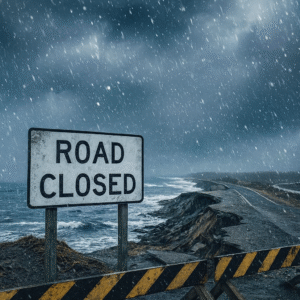
Inundation of coastal areas and an estimate of the water depth
Water in buildings or roads closed
Coastal damage caused by pounding surf
Significant coastal dune or small rock erosion
River Flooding
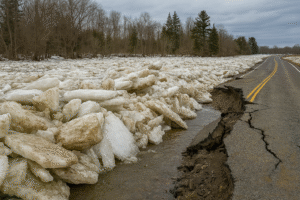
Any ice jams
River flooding of roads and/or buildings
First time local river ices over
Snowfall
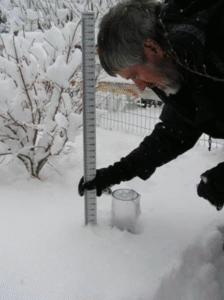
Snowfall amounts 1″ or greater (measure to the nearest tenth of an inch)
If snowfall rates are 2″ per hour or greater
Storm total snowfall immediately after the storm ends
Freezing Rain
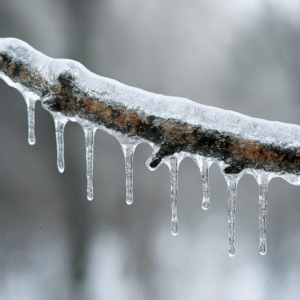
Any amount of ice accretion, measured to the nearest hundredth (.01″)
Ice accretion >.25″ (send a picture)
Vertical Thickness – Direct Measurement of accretion on a flat surface
Mean Radial Thickness – Measurement of ice on a branch/wire, measure ice thickness on both sides of the object
Sleet
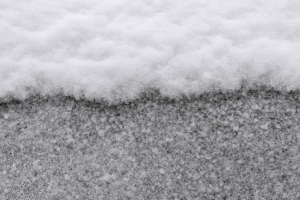
Any amount of sleet accumulation (measure to the nearest tenth of an inch)
If snow and sleet mixed, report the total accumulation as such